Western Consumer Intelligence • Retail • 5–7 min read • July 2026
The Hat Bar Boom Is About to Face Its Biggest Test
The line outside is not the same as loyalty.
Custom hat bars turned retail into an experience, and experience into a line out the door. The next phase will separate the brands that built a ritual from the ones that rented a trend.
The Observation
The line outside is not the same as loyalty.
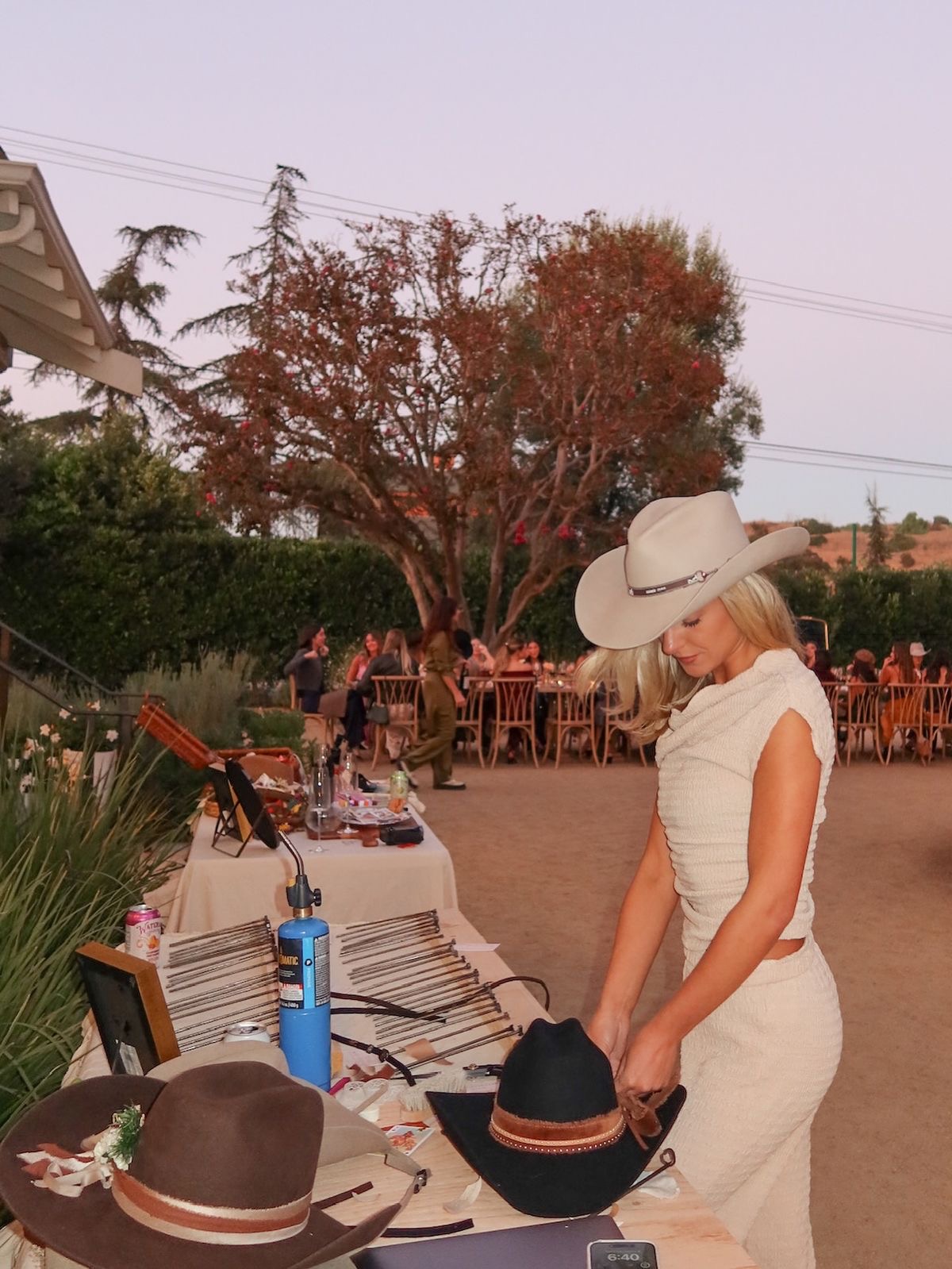
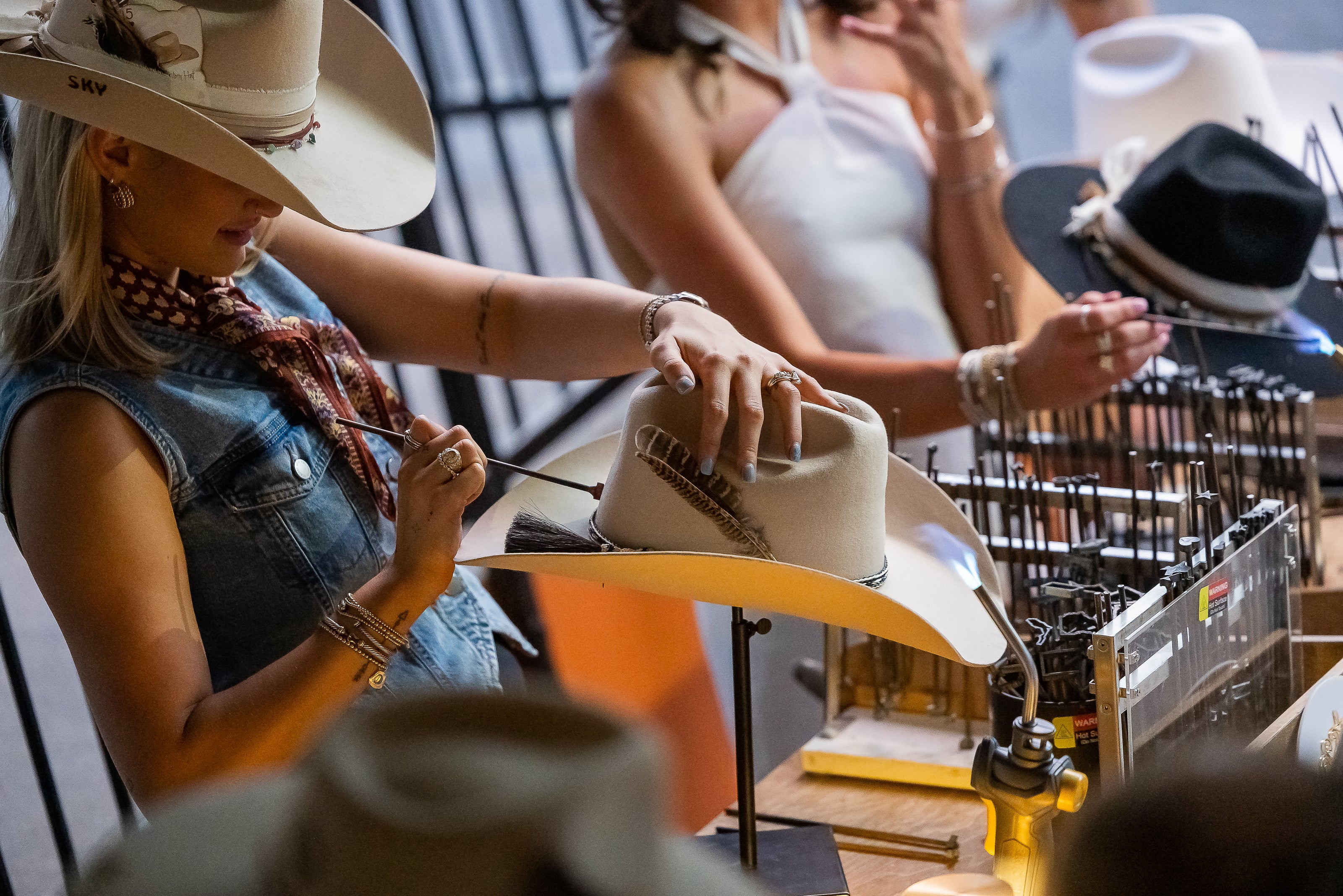
Over two years, the custom hat bar became the most photographed corner of Western retail, craft, theater, and souvenir in a single afternoon. It filled calendars, drew crowds, and produced an endless supply of content.
But a line out the door measures attention, not attachment, and attention is borrowed. The question worth asking while the category is still hot: what happens when everyone has a hat bar, and the novelty that built the line quietly runs out?
The Research
What the research found.
Findings
Adoption precedes saturation
Experience-based businesses see rapid early adoption, then market saturation as the format is copied and the novelty is competed away.
Durable brands evolved past the experience
The businesses that lasted did not defend the original experience. They grew beyond it into a brand that stood for something larger.
Return visits came from meaning, not novelty
Repeat behavior was driven by identity, community, or utility, not by the experience being new a second time.
The experience was acquisition, not product
In the enduring cases, the experience functioned as customer acquisition, the doorway into the brand rather than the brand itself.
Experiences create attention. Identity creates loyalty.
Western Consumer Intelligence
Market Signals
The adoption pattern is already visible.
The Experience Adoption Arc
Phase 01
Emergence, a novel experience earns disproportionate attention and footfall. Being early is the advantage.
Phase 02
Expansion, the format spreads as competitors copy the mechanic. Supply rises faster than demand.
Phase 03
Saturation, ubiquity erodes novelty. The experience stops differentiating, and traffic built on newness softens.
Phase 04
Divergence, brands that converted the experience into identity and utility pull away; the rest plateau with the trend.
What the Signals Show
Adoption Patterns
- Rapid early uptake
- Low barrier to imitation
- Traffic driven by novelty
Consumer Behavior
- First visit feels singular
- Return needs a reason beyond newness
- Identity and community drive loyalty
Executive Observations
- Experience is acquisition
- Durable brands outgrew the format
- Authority extends the lifecycle
Proprietary Framework
The Experience Ceiling™
The Four Stages
- Attraction
- Participation
- The Ceiling
- Conversion
Attraction and participation build the crowd. At the ceiling, novelty stops working, and the brand either converts the experience into identity and utility, or plateaus with the trend.

The strongest businesses didn’t improve the experience. They became something bigger.
Business Implications
What this means for brands.
For any brand riding the hat bar boom, or tempted to copy it, the mandate is to design past the ceiling before it arrives. Four questions separate the operators who will converge from the ones who will diverge.
The Questions Brands Should Ask
What happens after the first visit?
If nothing is designed to follow the debut, the experience is a one-time event, not an acquisition channel.
What reason exists to return?
Repeat revenue requires utility, refinishing, seasonal updates, service, that outlives the novelty of the first afternoon.
What identity does the customer join?
Loyalty attaches to belonging. The customer should leave having joined something, not merely having bought something.
What ecosystem exists beyond the experience?
A brand with a point of view, a catalog, and a community has somewhere to send the relationship the experience began.
Executive Takeaways
Novelty creates attention
It is the most efficient way to earn a first visit, and the least reliable way to earn a second.
Identity creates loyalty
Customers return to what they belong to. Belonging, not the mechanic, is what compounds.
Utility creates repeat revenue
A reason to come back that isn't dependent on newness is what turns an event into a business.
Authority extends the lifecycle
A brand credited as the definitive voice outlasts the trend it helped popularize.
Executive Takeaway
The hat bars that endure will be the ones that treated the experience as a doorway into the brand. Everyone else was renting a crowd, and the lease is nearly up.
This brief reflects Lauren Oakes’ market analysis of experiential retail trends within the Western consumer economy. Observations are strategic in nature and should not be interpreted as guarantees or predictions about any specific brand.