Why Ariat's Biggest Challenge Became Its Greatest Advantage
The brands that earn the greatest market share rarely chase the biggest audience first. They earn trust with one audience, then expand from there.
Introduction
The discipline of earning one audience first
The brands that ultimately command the greatest market share rarely begin by chasing the biggest audience. They earn deep trust with one demanding group of customers, and then expand outward from a position of credibility.
Ariat is one of the clearest examples of this principle in practice. The company did not launch by trying to dress the entire Western industry. It started in the equestrian market, solving a specific, technical problem for serious riders. That narrow focus looked like a limitation. In hindsight, it was the single most important decision in the company’s growth, a study in Ariat brand strategy that still holds lessons for any brand entering the Western apparel space today.
Understanding why requires looking at the sequence: where the brand began, the constraint it accepted, and how that constraint became the foundation for everything that followed.
The Challenge
A small, exacting audience
When Ariat was founded in 1993, its premise was deceptively simple: bring real athletic footwear technology, the kind found in performance running and hiking shoes, to equestrian boots. Riders had long accepted that traditional boots were rigid, heavy, and punishing over long days. Ariat’s bet was that they didn’t have to be.
The challenge was that the serious equestrian market is small, knowledgeable, and unforgiving. These are customers who spend hours a day in their boots and can feel the difference between marketing and genuine performance. Winning them required real engineering, not a logo and a trend. For a young company, building first for the hardest, most discerning audience in the category meant slower growth and a tighter market than competitors chasing broad fashion appeal.
But that same difficulty carried a hidden advantage. Earning consumer trust in the equestrian market is not granted lightly, and once earned, it is exceptionally durable. Ariat wasn’t building awareness. It was building credibility.
The narrow audience wasn’t the obstacle to Ariat’s growth. It was the foundation of it.
The central thesis
The Crossover
From the arena to the wider West
Trust earned in a demanding niche tends to travel. By 2006, Ariat extended beyond equestrian performance into Western apparel, moving from a specialist boot maker toward a full lifestyle brand. Crucially, it did so carrying the credibility it had already banked. The Western consumer didn’t encounter Ariat as a newcomer; they encountered a brand that riders already vouched for.
That distinction is everything in Western consumer behavior. This is a community where word of mouth, shared events, and peer endorsement carry more weight than advertising. Expanding from equestrian into Western wasn’t a leap into a stranger’s market, it was a step into an adjacent one where the brand’s reputation had already arrived ahead of it.
In 2009, Ariat became the Official Boot Sponsor of Professional Bull Riders, planting its credibility at the center of one of the most visible stages in Western culture. The partnership wasn’t simply marketing reach; it was alignment with the performance and authenticity the brand had built its name on.

From Equestrian Startup to Global Western Brand
1993
Ariat is founded to bring athletic footwear technology to equestrian boots, solving a real performance problem for serious riders.
2006
The brand expands into Western apparel, carrying its hard-earned equestrian credibility into a broader lifestyle category.
2009
Ariat becomes the Official Boot Sponsor of Professional Bull Riders, anchoring its name at the heart of Western culture.
2012
Annual revenue reaches approximately $300 million as the equestrian-to-Western strategy compounds.
Today
Ariat stands as the world's largest equestrian brand, with global distribution and continued investment in retail and operations.
The Results
When credibility compounds
The trajectory speaks for itself. By 2012, Ariat was generating roughly $300 million in annual revenue. Today it stands as the world’s largest equestrian brand, with global distribution and continued investment in retail and operations, a position built not by starting broad, but by starting deep.
1993
Founded
equestrian performance footwear
$300M
Revenue by 2012
as the strategy compounded
#1
Global Equestrian Brand
by market position today
The lesson for Western brand strategy is not that niches are safe. It is that credibility compounds. Each audience Ariat earned made the next one easier to reach, because trust in this market is transferable in a way that paid awareness never is. A brand that is respected by riders earns a hearing from the wider Western consumer; a brand respected across Western culture earns a hearing globally.
Contrast that with the brands that enter the Western industry at the surface, leading with aesthetics, chasing the largest possible audience first, and hoping credibility will follow scale. It rarely does. In a culture built on authenticity, trust cannot be purchased at the top of the funnel. It has to be earned somewhere specific, then allowed to expand.
About the Author
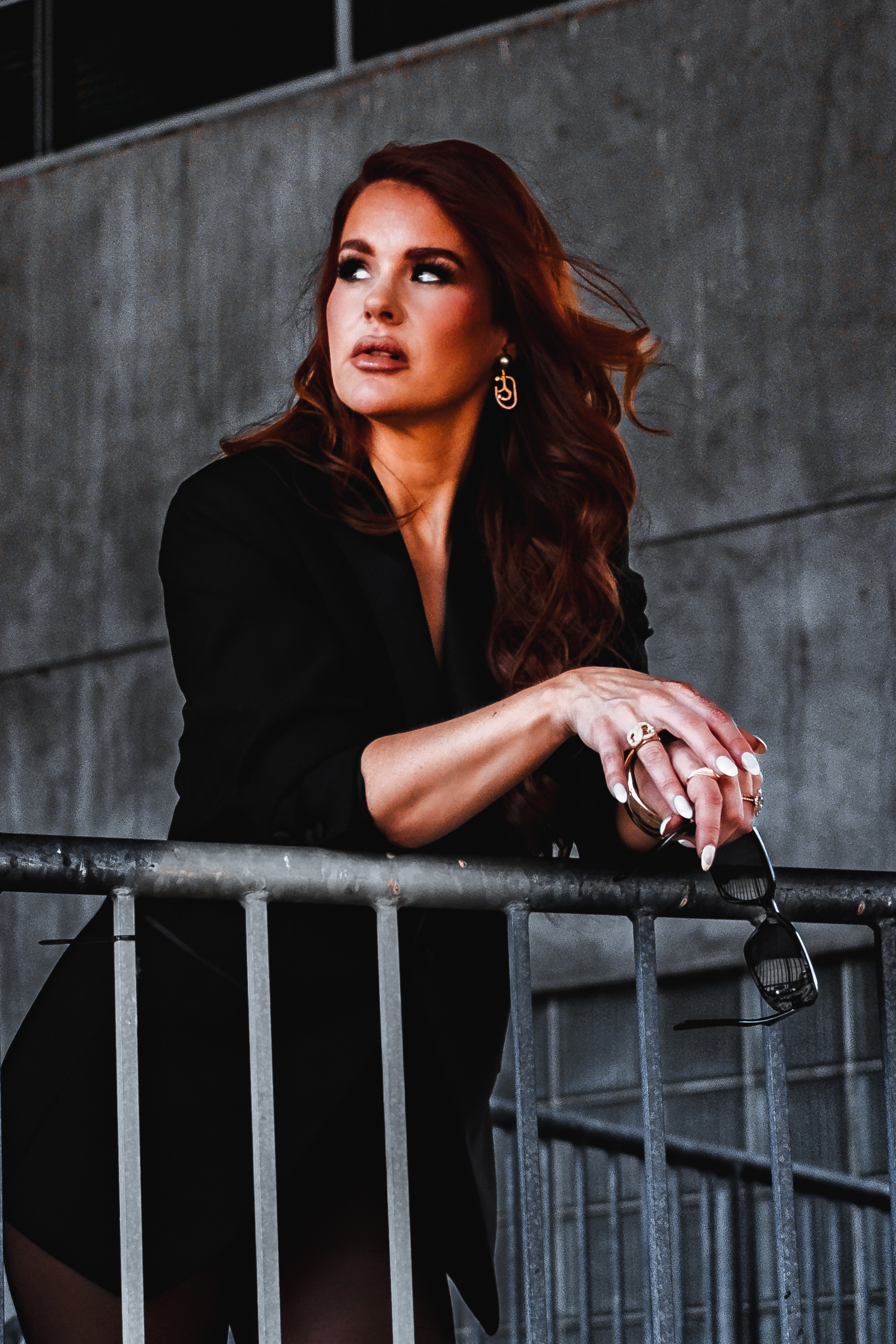
Lauren Oakes
Development Strategist
Lauren Oakes is the Founder & Principal Advisor of Lauren Oakes Creative, a consumer and cultural intelligence practice for companies competing in identity-driven markets, with deep, proven specialization in the Western economy, and work spanning luxury, hospitality, spirits, and heritage brands.
Sources & Research
This article incorporates publicly available research, investor reports, industry studies, and market data. Sources include:
Company milestones and figures reflect publicly reported history and industry estimates; additional company statements and industry reports informed this analysis where applicable.