
The Untapped Luxury Market: Why Western Consumers Are Luxury Buyers in Disguise
Luxury brands continue marketing equestrian culture through a European lens while overlooking one of America's largest and most influential luxury consumer segments.
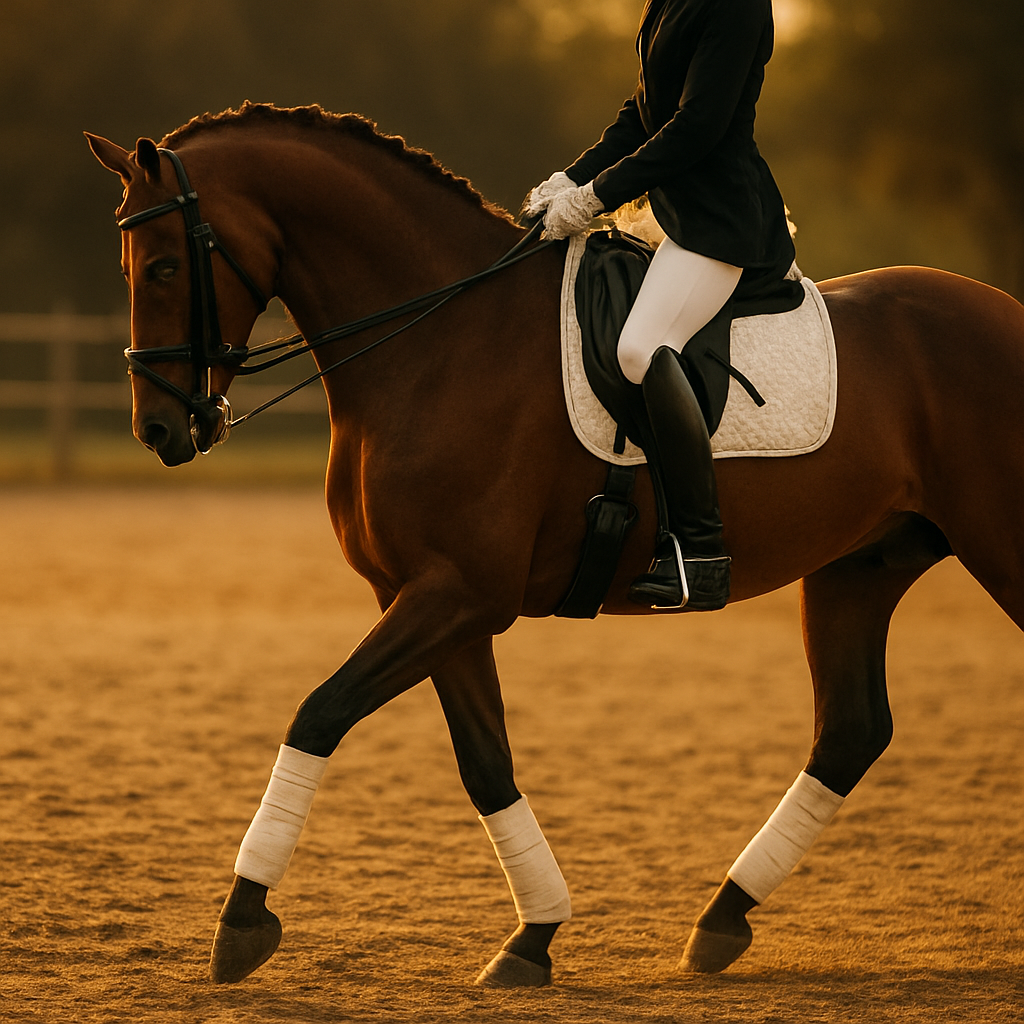
For decades, the luxury industry has spoken the language of the equestrian world, riding boots, saddle stitching, bridle hardware, the codes of the European country estate. Yet it has almost entirely overlooked the largest living equestrian and ranching culture on the planet: the American West.
This is not an oversight of taste. It is an oversight of categorization. The Western consumer has been filed under “rural,” “regional,” or “country,” anywhere but the luxury column. The result is a multi-billion dollar audience that buys, behaves, and builds loyalty exactly like a luxury buyer, while the industry continues to market past them.
$130B
Annual U.S. Western Lifestyle Spend
Apparel, footwear, equipment, events, hospitality, and equestrian, a category larger than many established luxury verticals.
Source: Industry estimates
The Misread Consumer
A luxury buyer, hiding under a different label
Strip away the aesthetics and look only at the behavior. The Western consumer pays a premium for craftsmanship. They value provenance and the story of the maker. They form deep, multi-decade loyalty to brands that earn their trust. They invest in objects designed to be repaired, kept, and passed down. They spend on experiences as readily as they spend on products.
That is the precise behavioral profile luxury houses spend fortunes trying to cultivate. The Western consumer already arrives with it.
How the industry sees them
- Rural
- Regional
- Trend-driven
- Price-sensitive
How they actually behave
- Discerning
- Loyal
- Heritage-led
- Quality-first
The Spend Profile
The numbers behave like luxury
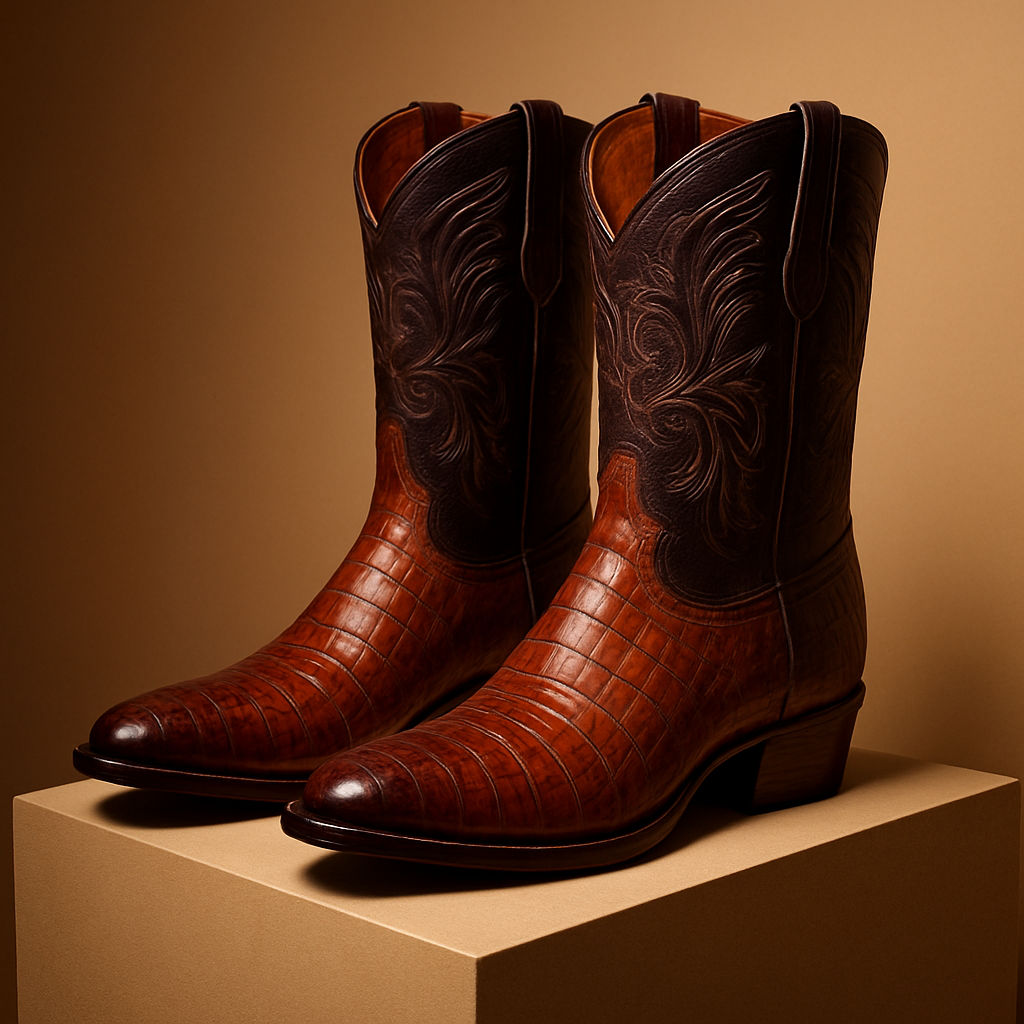
Consider the everyday economics of a committed Western consumer. Custom boots routinely run from $1,200 to $5,000 a pair, and a serious wardrobe holds several. A custom hat from a respected maker starts around $500 and climbs well into the thousands. A working show saddle can rival the price of a luxury watch. These are not one-time splurges, they are recurring, category-wide spending patterns.
$1.2K–$5K
Custom Boots
per pair, multiple owned
Source: Industry estimates
$500+
Custom Hat
from respected makers
Source: Industry estimates
Layer in the equestrian economy, boarding, training, transport, veterinary care, competition, and the per-household investment rivals that of any traditional luxury category. The capital is already moving. It is simply moving through channels the luxury establishment has chosen not to see.
The Western consumer was never absent from the luxury market. They were never invited to it.
The central thesis
The Cultural Depth
This is heritage, not a trend cycle
When fashion borrows Western, it borrows the surface, the fringe, the boot, the hat, for a season, then moves on. But for the consumer who lives it, Western is not a look. It is a lineage. It carries a calendar of events, a community of makers, codes of authenticity, and standards of craftsmanship that are policed by the culture itself.
That depth is exactly what makes the market durable, and exactly what makes it unforgiving of brands that treat it as costume. Authenticity is not a marketing layer here. It is the price of entry.
The Opportunity
The first credible brand wins the category
Most luxury categories are saturated, with incumbents defending fractional points of share. The Western luxury consumer represents the rare inverse: enormous, affluent, loyal, and effectively uncontested at the premium tier by brands that genuinely understand them.
The brand that earns this market will not do it by appropriating the aesthetic. It will do it by respecting the culture, building products worth keeping, telling stories worth trusting, and showing up consistently rather than seasonally. The reward is a customer who stays for a generation.
Executive Takeaway
The Western consumer is not an emerging luxury audience. They are an established one that the industry has failed to recognize. The opportunity is not creating demand, it is finally meeting it.
About the Author
Lauren Oakes
Development Strategist
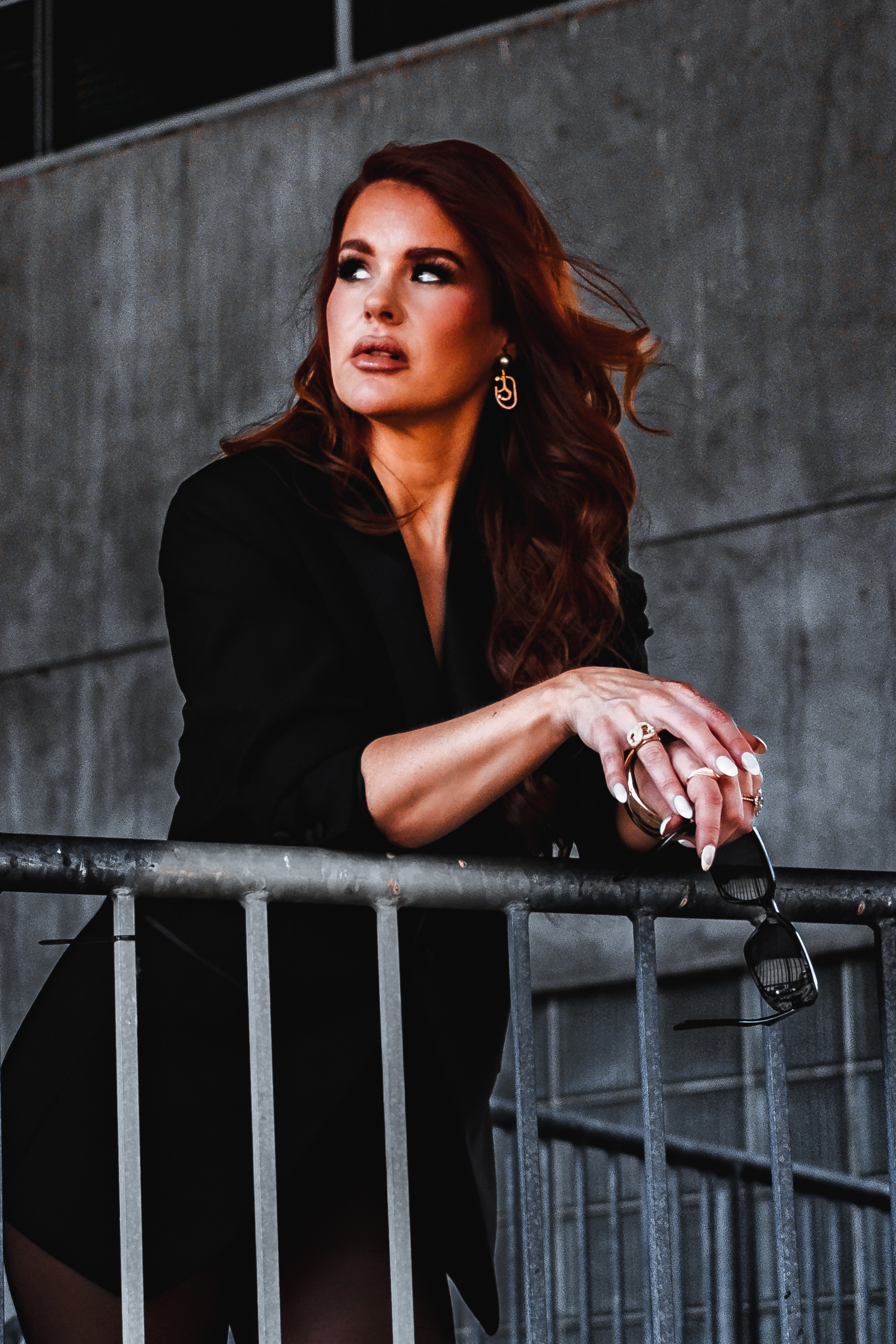
Lauren Oakes is the Founder & Principal Advisor of Lauren Oakes Creative, a consumer and cultural intelligence practice for companies competing in identity-driven markets, with deep, proven specialization in the Western economy, and work spanning luxury, hospitality, spirits, and heritage brands.
Sources & Research
This article incorporates publicly available research, investor reports, industry studies, and market data. Sources include:
- American Horse Council
- U.S. Bureau of Economic Analysis
- U.S. Census Bureau
- Boot Barn Investor Relations
- Kontoor Brands (Wrangler) Investor Relations
Figures reflect industry estimates and aggregated public data; additional company filings and industry reports informed this analysis where applicable.